Founder of Feed, Read & Roar Speech Pathology
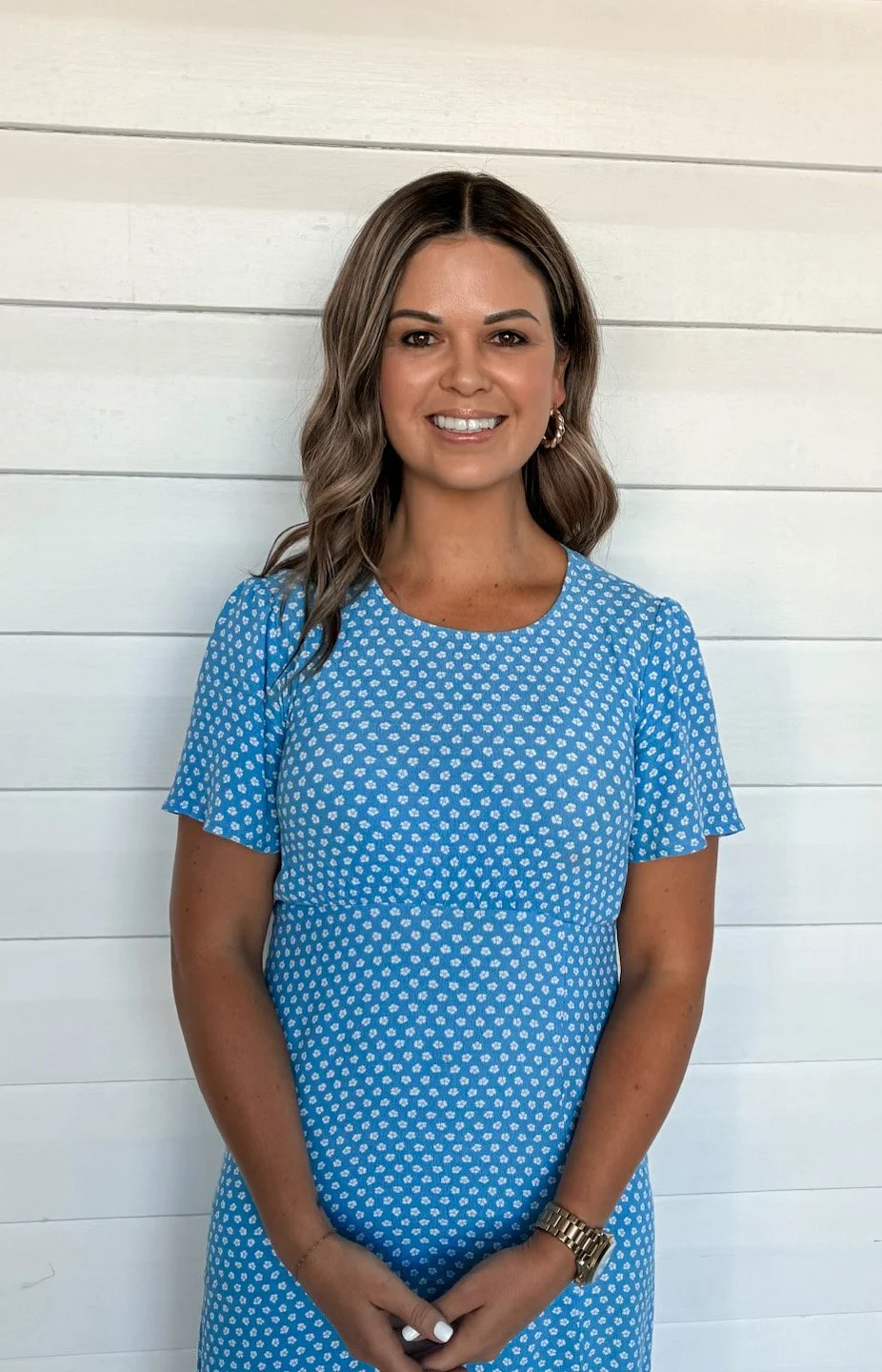
Meet Charlotte
Hi, I’m Charlotte, Speech Pathologist, Primary Teacher, mum of three, and passionate advocate for little people and their families. I'm also the face behind Feed, Read & Roar Speech Pathology, and am proud to be a part of the amazing Therapy Collective team.
I’ve always known I was meant to work with children. Their curiosity, honesty, and joy light me up, and I consider it a privilege to walk alongside them (and their grown-ups) through the messy, magical early years.
As a paediatric Speech Pathologist, I work with children across speech, language, literacy and feeding, with a special love for early feeding and early language development. I’m also passionate about orofacial myology, speech sound disorders and building strong literacy skills, always with a 'whole-child' approach.

What Charlotte Supports
Charlotte offers gentle, evidence-based support across the key areas of communication, feeding, literacy and development, helping little ones grow with confidence in a way that feels safe, supported and child-led.
-
An initial consultation is an opportunity for the Speech Pathologist to get to know your little one in a relaxed and supportive environment. The session focuses on understanding your child’s strengths, areas of difficulty, and overall communication and/or feeding profile.
(A hearing assessment completed within the last 12 months is typically required prior to the appointment, as hearing is essential for speech and language development. If a recent hearing test is not available, this may be recommended before further assessment or therapy.)
Before and during the session, the Speech Pathologist gathers information through multiple approaches:
Case History: Before your appointment, you will be sent a detailed form asking about your child’s development, communication, feeding, and learning. Providing as much information as possible helps the clinician focus on your child during the session. It’s normal to be unsure about some questions. A 30-minute phone call will also be scheduled with you to discuss your Case History form and gather any other information.
Assessment Activities: Using a combination of play, conversation and structured tasks, the clinician observes how your child communicates, interacts, follows directions, takes turns, uses gestures and facial expressions, and engages with toys or materials. Breaks are offered throughout to ensure your child remains motivated, engaged and joyful.
For feeding-only assessments, you will be required to bring in a range of food that your child typically enjoys eating (their ‘preferred’ foods), as well as some food you’d like them to try, and their water bottle. If your child is bottle-fed, please also bring in their bottle and milk (and bring the boobies too for those breast-fed babies!) If possible, ensuring your child will be hungry enough to eat in the session by not providing food or milk in the hour or two prior to the session will be most beneficial.
Other Reports: Prior to your appointment, please email through any reports or notes regarding your child that may be beneficial for the clinician to read through to obtain a better understanding of your child, such as other allied health reports, paediatrician reports, school reports, preschool observations etc.
Session Length and Next Steps
Initial consultations are approximately 90 minutes. Families are encouraged to ask questions throughout the session. At the end of the consultation, the clinician will share preliminary impressions, discuss some initial strategies to support your child, and where appropriate, begin writing a formal report.
In some cases, additional assessment sessions may be required or recommended before a written report can be provided. Referrals may also be suggested where appropriate.
-
Speech sound therapy supports children who have difficulty saying sounds clearly or consistently. This may include trouble producing certain sounds (articulation) or using sound patterns that make speech harder to understand (phonological patterns).
Assessment focuses on identifying how a child is producing sounds, which sounds are affected, and why. Therapy is then carefully tailored to help children develop clearer, more confident speech that allows their message, not their mistakes, to be heard.
Support is available for both speech sound delays (when development is following a typical pattern but at a slower pace) and speech sound disorders (when patterns are unusual or not developmentally expected), as well as motor speech disorders, such as Childhood Apraxia of Speech.
Signs a child may benefit from an assessment
Some signs that further assessment may be helpful include:
Speech that is difficult for unfamiliar people to understand
Sounds being left off the ends of words
Replacing one sound with another (e.g. “tat” for “cat”)
Distorted sounds (e.g. lisps or unclear “s” sounds)
Frustration when trying to be understood
Avoidance of talking in groups or unfamiliar settings
Concerns don’t have to be “big” to be worth discussing. Early support can make a meaningful difference, and a simple conversation can help you feel confident about your child’s speech development.
-
Orofacial myology focuses on how the muscles of the face, lips, tongue and jaw work together, and how breathing, resting posture and swallowing patterns can influence a child’s sleep, speech, feeding and overall development.
This service is delivered by our Speech Pathologist, with advanced training and extensive experience in identifying and supporting oral restrictions, including tongue ties and airway-related challenges. The approach is holistic and collaborative, with close links to dentists, orthodontists, ENTs and other allied health professionals to ensure coordinated, whole-child care.
Signs a child may benefit from an assessment
Some signs that may indicate the need for further support for your little one include:
Mouth breathing or open-mouth resting posture
Snoring, noisy breathing or restless sleep
Daytime fatigue or difficulty concentrating
Speech that sounds unclear or effortful
Challenges with chewing, swallowing or gagging
Tongue thrust or difficulty maintaining tongue posture
Selective or restricted eating
Jaw tension, teeth grinding or clenching
These signs don’t automatically indicate a problem, but they can be helpful indicators that further assessment may be beneficial. Early, gentle, evidence-based support aims to address root causes, not just surface symptoms.
-
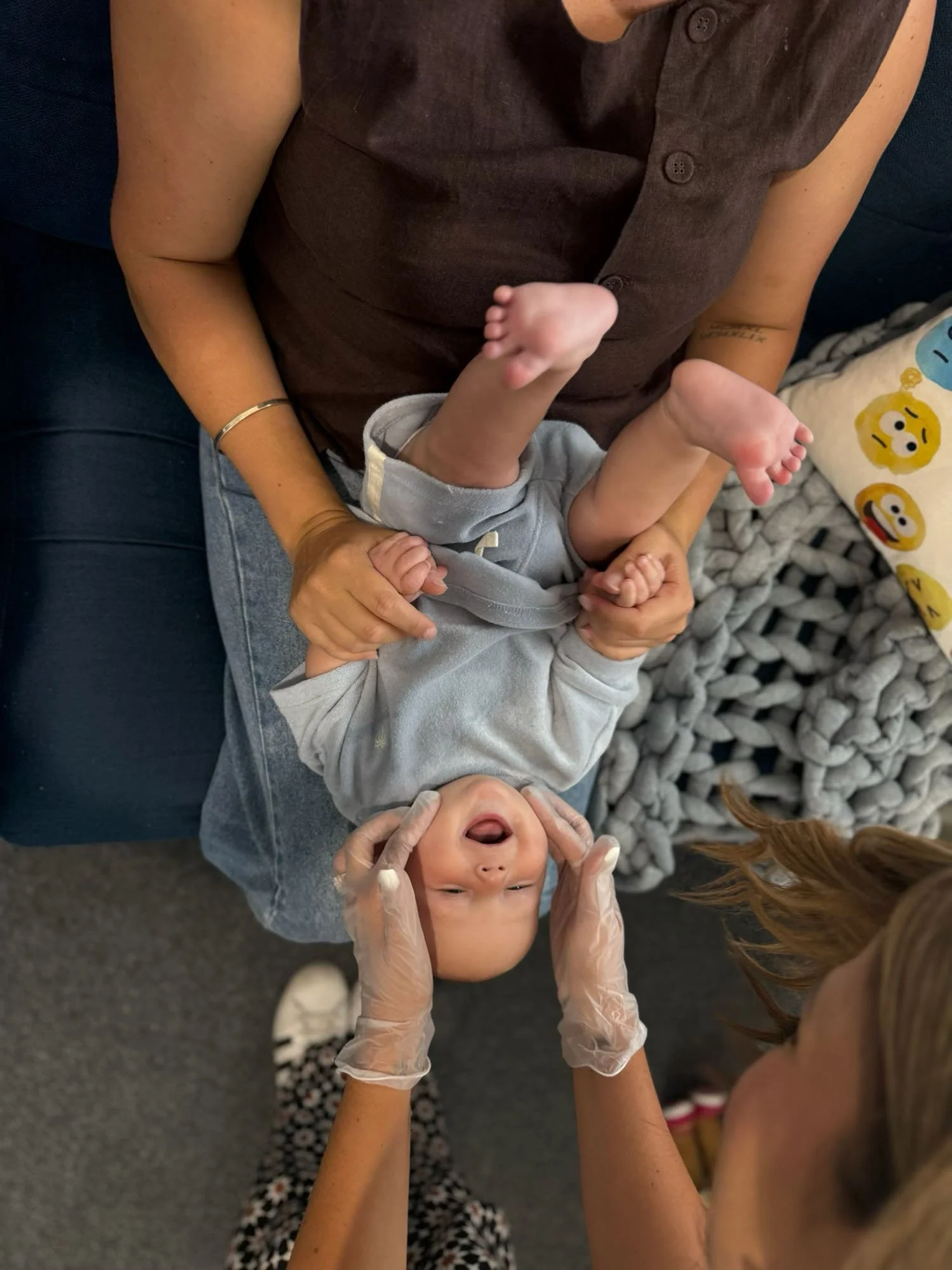
Feeding is about more than just nutrition. It is closely connected with breathing, sensory processing, oral motor development, relationships and a child’s sense of safety.
Feeding difficulties can arise for many reasons, including medical, developmental, nutritional, social and emotional factors. A thorough assessment focuses on understanding the underlying cause of the difficulty, not just the surface behaviours. Support is then tailored to the child and delivered alongside families in a gentle, responsive and practical way, collaborating with other health professionals.
This service focuses primarily on infants, toddlers and young children, utilising a responsive feeding framework.
Signs a child may benefit from a feeding assessment
Some common signs that feeding support may be helpful include:
Coughing, choking or frequent gagging during early feeding, meals and/or drinking.
Difficulty moving from milk to purées, or from purées to textured foods
Struggling to chew or manage lumps and finger foods
Strong food preferences, food refusal or highly selective eating
Signs of stress or distress during meals
Fatigue during feeding or taking a very long time to finish meals
Avoidance of certain textures, temperatures or flavours
Mealtimes can quickly become stressful when feeding feels hard. Families are supported to move from worry and pressure to confidence and connection, with strategies that feel manageable in real life.
-
Literacy encompasses reading, writing and spelling and is fundamental to a child’s learning, confidence, and long-term academic success.
The literacy intervention offered is grounded in both speech pathology and educational expertise, led by our Speech Pathologist with a background in classroom teaching and experience in the diagnosis of Specific Learning Disorders (including dyslexia). Working collaboratively with psychologists and other allied health professionals to ensure a well-rounded understanding of each child’s learning profile is an important part.
Intervention is delivered using evidence-based, synthetic phonics approaches, with therapy carefully tailored to each child’s individual strengths and areas of need. Programs are selected based on the child’s current skills, learning history, and cognitive-linguistic profile:
Sounds-Write is used to provide a highly structured, explicit and systematic approach to teaching the relationship between sounds and letters, as well as the essential skills of blending, segmenting and phoneme manipulation for reading and spelling.
Read 3 is used where appropriate, particularly for children who have already received previous intervention and present with underlying difficulties such as dyslexia, working memory challenges, or complex learning needs.
Rather than following a one-size-fits-all model, intervention is precisely matched to the child and adapted as skills develop, ensuring therapy is efficient, targeted and meaningful.
Signs a child may benefit from a feeding assessment
Children may benefit from additional support if they show any of the following:
Slow response to school intervention
Difficulty learning letter-sound relationships
Trouble sounding out or blending words when reading
Guessing words rather than decoding them
Poor spelling, especially of simple or common words
Avoidance of reading or writing tasks
Slow, effortful reading
Difficulty remembering what has been read
A family history of dyslexia or learning difficulties
Early support can make a significant difference, particularly when literacy difficulties are connected to underlying language or phonological challenges.
-
Language is how we understand and share ideas, thoughts and feelings. It includes what a child understands (receptive language), what they say (expressive language) and how they use words to connect with others in everyday life.
Some children are slower to start talking, while others may talk early but find it harder to follow instructions, build sentences, join in play or tell stories as they grow. Support in this area focuses on strengthening understanding, building vocabulary, supporting sentence development and helping children feel confident communicating in their own way.
Parent coaching is a key part of this approach. Families are supported with practical, easy-to-use strategies so that language learning can happen naturally throughout everyday routines, not just in therapy sessions.
Signs a child may benefit from an assessment
Children develop at their own pace, but some common signs that extra support may be helpful include:
Toddlers and preschoolers:
Not using many words by around 2 years of age
Limited two-word combinations by 2 - 3 years (e.g. “more milk”, “mummy go”)
Difficulty following simple instructions (e.g. “Put your shoes in the box”)
Limited interest in songs, stories or shared book reading
Difficulty joining in play with others or following the flow of group play
Frustration, meltdowns or withdrawal when not understood
Preschool and early school years:
Difficulty understanding longer or more complex instructions
Struggling to answer “what”, “where”, “why” or “how” questions
Short or immature sentence structures for their age
Difficulty retelling events or telling a simple story in sequence
Challenges participating in classroom discussions or group activities
These signs don’t automatically mean something is “wrong”, but they are helpful indicators that a closer look may be useful.
Charlotte’s Path Into Speech Pathology
My Story & Journey
My path to Speech Pathology began in primary teaching, where I grew fascinated with the “why” behind children’s behaviour and learning. After having my first child, those questions became even more real and personal, and opened my eyes to a whole different layer of development - the feeding quirks, the sleep challenges, the tiny communication moments that matter more than we realise.
This curiosity led me to train as an infant sleep specialist, where I saw just how interconnected feeding, sleep, regulation and communication truly are. Two more babies later, combined with supporting many children and their families in these different capacities, led me to the overwhelming realisation that nothing develops in isolation, with all paths converging to Speech Pathology - the place where all the threads connect and where I can support children in a holistic, meaningful way, from the very beginning.
As a mum of three, I know firsthand how complex and beautiful our brains and bodies can be. I pride myself on working with families to understand the root cause, not just the surface symptoms, believing that every child is more than a diagnosis, and every behaviour has a story.

What Makes Charlotte’s Approach Unique
Warmth, connection, collaboration, and plenty of playful moments.
Every child is more than a diagnosis, and every behaviour has a story.

Meeting children where they’re at, working with their strengths.
How Feed, Read & Roar Works
Charlotte’s Approach to Therapy
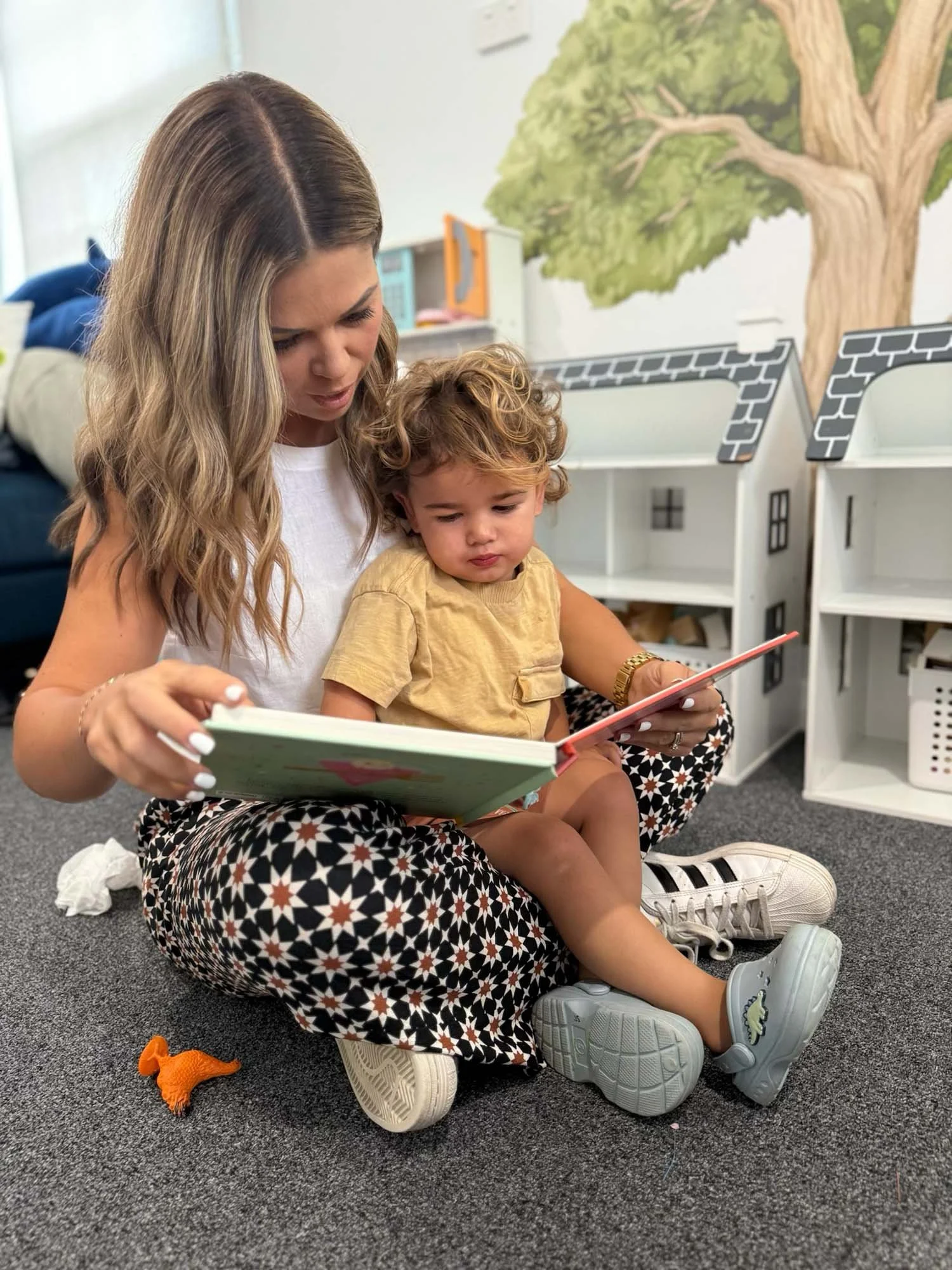
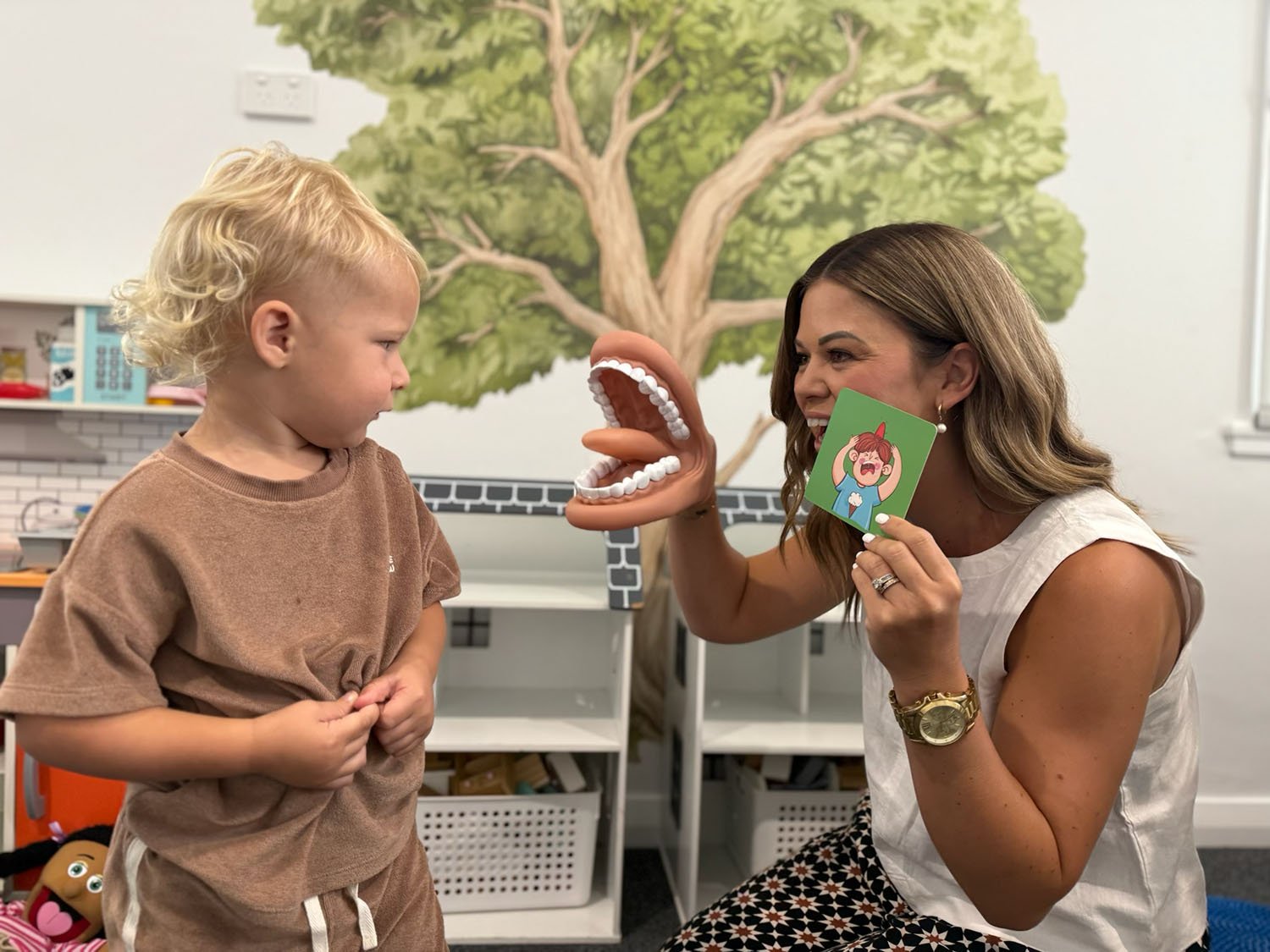
In my therapy room, you’ll find warmth, connection, collaboration, and plenty of playful moments, leading with evidence-based interventions. I believe in meeting children where they’re at, working with their strengths, and making therapy feel like a safe and supported space to grow and learn.
If you’re looking for someone who will listen deeply, think holistically, and cheer for your child every step of the way, then I would love to meet you!

Ready to Meet Charlotte?
“If you’re looking for someone who will listen deeply, think holistically, and cheer for your child every step of the way, then I would love to meet you!”